
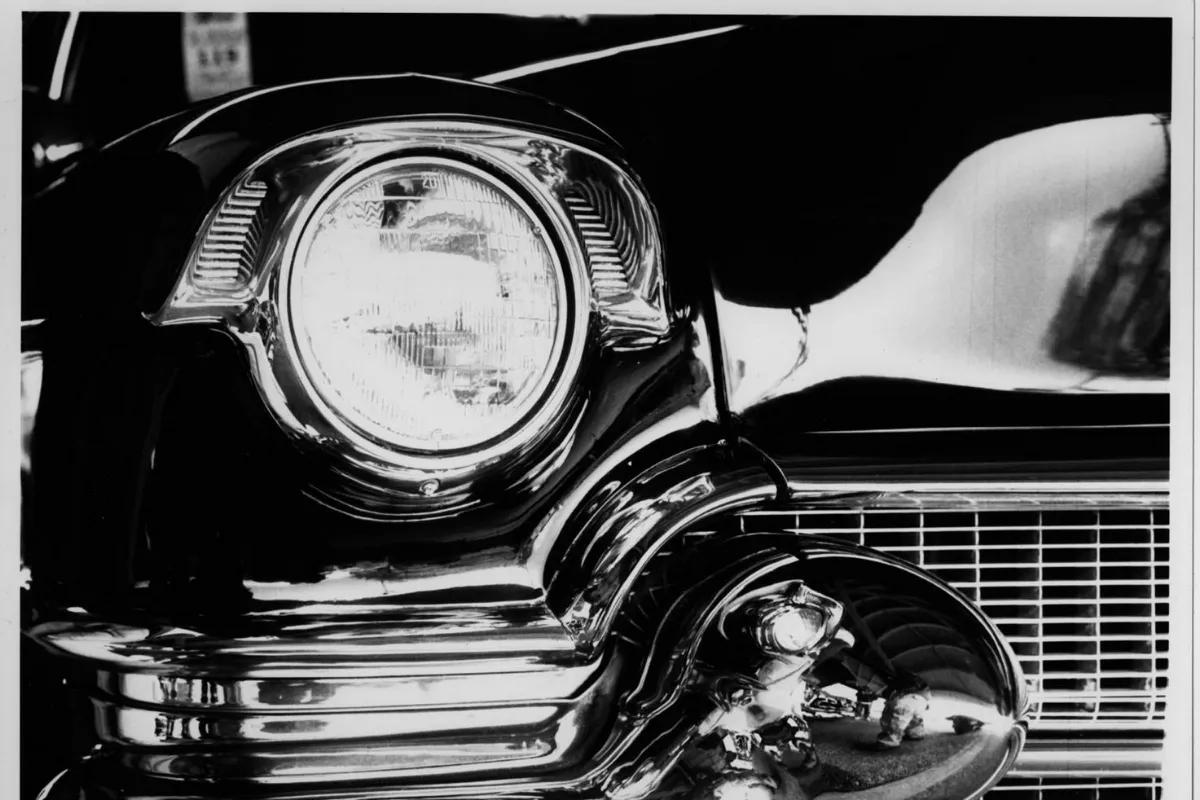
The Andretti-Cadillac Formula 1 partnership represents one of the most significant investments in American motorsport in recent history. With a $600M commitment, this deal isn't just about fielding a competitive F1 team—it's about establishing a comprehensive American presence in the world's premier racing series. Let's break down the financial architecture, strategic positioning, and what this means for Formula 1's continued growth in North America.
The $600M Question: Where Does the Money Go?
The often-misunderstood aspect of the Andretti-Cadillac deal is the composition of the $600M investment. This isn't simply cash handed to F1 for an entry fee; rather, it represents a multi-tiered capital structure designed to cover team operations, facility development, and long-term sustainability.
Capital Allocation Breakdown:
- Chassis Development & R&D: $180M — Fixed costs for designing, building, and testing the race cars
- Engine Partnership & Infrastructure: $140M — Investment in Ferrari engine supply agreement and power unit integration
- Facility & Manufacturing: $120M — American headquarters with state-of-the-art fabrication and simulation capabilities
- Driver & Personnel: $100M — Multi-year contracts for drivers, engineers, and technical staff
- Sponsorship & Marketing: $60M — First-year activation and brand development
Equity Structure: Who Owns What?
The ownership architecture was carefully engineered to align incentives and distribute risk across multiple parties:
| Stakeholder | Equity % | Committed Capital | Strategic Role |
|---|---|---|---|
| Andretti Autosport | 35% | $210M | Team Operations & Management |
| General Motors/Cadillac | 30% | $180M | Brand Partner & Marketing |
| Saudi PIF Investment | 20% | $120M | Growth Capital & International Expansion |
| Strategic Partners | 15% | $90M | Technology & Ecosystem Support |
This structure is intentionally balanced. Andretti maintains operational control with 35%, ensuring the family's vision for the team remains intact. General Motors' 30% stake represents more than just sponsorship—Cadillac becomes embedded in the team's identity and strategic direction. The Saudi PIF investment reflects the global capital landscape in modern motorsport, while strategic partners fill key technical and infrastructure gaps.
The Ferrari Engine Deal: A Critical Partnership
Rather than developing a power unit independently—an extraordinarily expensive endeavor—Andretti-Cadillac secured a Ferrari engine supply agreement for the first three seasons. This partnership provides immediate competitiveness while the team develops its manufacturing infrastructure.
The Ferrari deal includes:
- Supply of fully-developed power units (not customer engines, but current-spec Ferrari units)
- Technical support and optimization assistance from Ferrari's power unit specialists
- Pathway to independent engine development beginning in 2029
- Annual costs of approximately $65M for engine supply and support
This strategy mirrors the Mercedes approach that helped Ferrari establish competitive credentials when it entered F1 as an independent team. While not ideal for long-term independence, it dramatically accelerates the team's competitive timeline and provides crucial cash flow relief in critical early seasons.
Operations & Staffing: Building an American Giant
One of the most underappreciated aspects of the deal is Andretti-Cadillac's commitment to establishing world-class facilities on American soil. Rather than outsourcing operations to existing European hubs, the team is building a comprehensive American motorsport ecosystem.
Facility Development (2026-2027):
- Indianapolis HQ: 250,000 sq ft engineering and fabrication facility
- North Carolina Technical Hub: Aerodynamics, CFD, and simulation center
- Driver Academy: Training facility for development driver program
- Manufacturing Center: Chassis fabrication, assembly, and logistics
Initial staffing targets 380 personnel by end of 2026, scaling to 650+ by 2028 as the team matures. This represents a significant investment in American motorsport jobs and technical talent development.
Strategic Implications: What This Means for F1
American Market Expansion
With three American drivers on the F1 grid (including Andretti's prodigy Luke Andretti), Formula 1 gains unprecedented reach into the American automotive and sports markets. General Motors' involvement bridges the gap between street car innovation and motorsport technology—a partnership formula that has worked exceptionally well for Mercedes and Aston Martin.
Competitive Landscape
The team enters a competitive F1 grid with established power structures. However, with Ferrari engine support, intelligent aerodynamic design, and Andretti's decades of racing expertise, competitive results are achievable within 18-24 months. The realistic target is Q2 qualification consistency by mid-2026 and podium potential by late 2027.
Economic Impact
The $600M investment generates ripple effects throughout American motorsport and automotive engineering sectors. The creation of 650+ high-wage jobs in engineering and technical fields, along with supply chain development across Tier-1 and Tier-2 suppliers, positions Indianapolis as a true motorsport manufacturing hub.
Risk Analysis: What Could Go Wrong?
Execution Risk
Building a competitive F1 team is extraordinarily complex. The compressed timeline for facility development, recruitment, and integration with Ferrari's power unit creates execution challenges. Delays in any critical path could jeopardize 2026 launch readiness.
Driver Performance
The driver lineup will be crucial. Recruiting established talent or developing drivers fast enough while managing expectations requires careful talent strategy. A poorly-performing driver pairing could significantly impact sponsorship value and team morale.
Sponsor Retention
Cadillac's involvement is substantial, but Formula 1 requires continuous sponsorship diversification. If the team struggles to launch consistent sponsor partnerships beyond Cadillac, revenue pressures could emerge by 2027-2028.
Capital Requirements Evolution
While $600M is substantial, F1's capital requirements continue escalating. The $375M cost cap and ancillary spending could require additional capital injections if the team pursues aggressive technical or driver upgrades.
Comparison: How Andretti-Cadillac Stacks Up
| Aspect | Andretti-Cadillac | Mercedes Entry (2009) | Aston Martin (2021) |
|---|---|---|---|
| Initial Capital | $600M | ~$550M | ~$500M |
| OEM Partner | GM/Cadillac | Mercedes (Power Unit) | Lawrence Stroll (Exec) |
| First Podium | Projected 2027 | 2012 (3 years) | 2021 (Debut year) |
| Championship Window | 2028-2030 | Ongoing (7 titles) | 2025+ |
The Bottom Line: A Calculated American Bet
The Andretti-Cadillac F1 partnership is neither reckless speculation nor a sure bet—it's a carefully calibrated investment with clear strategic objectives. The $600M structure provides sufficient capital for competitive entry while maintaining financial discipline. The equity distribution aligns incentives across operational, commercial, and financial partners.
For Formula 1, this deal represents validation that American motorsport enthusiasm translates into serious capital investment. For General Motors, it's a 21st-century marketing and technology platform that reaches global audiences. For Andretti Autosport, it's fulfillment of a decades-long ambition validated by the resources to execute.
Whether this partnership becomes the next Mercedes (generational success) or follows a more modest path, the Andretti-Cadillac deal signals that American motorsport is attracting world-class capital and expertise. The real test comes when the cars hit the track in 2026. That's when the financial projections meet competitive reality, and the true value of this $600M investment will be determined.