
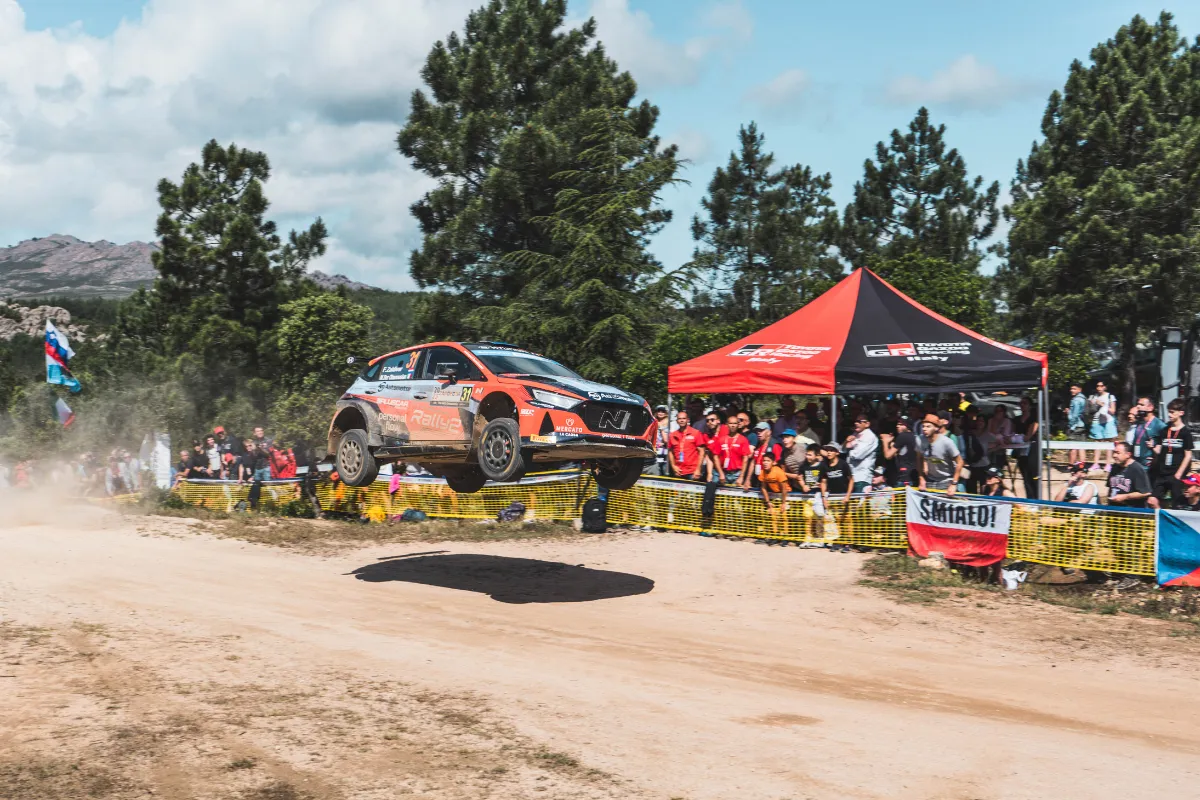
World Rally Championship economics present distinct challenges compared to circuit racing series. The distributed calendar across multiple countries, decentralized organization, and varied sponsorship environments create complexity in team financial planning. Yet successful WRC teams develop sophisticated funding models combining driver backing, manufacturer support, and careful operational efficiency. This analysis examines how WRC teams sustain competitive operations and what lessons the business model offers about motorsport sustainability.
WRC Business Model Fundamentals
Unlike F1 or NASCAR with centralized revenue distribution, WRC operates through event-by-event participation requiring teams to generate their own funding. Teams generate revenue through driver backing, manufacturer partnerships, and component sponsorships. This distributed model creates distinct financial pressure but also enables flexibility and entrepreneurial team management.
Typical WRC Team Revenue Sources:
- Driver Backing: 40-50% - Primary funding source from wealthy drivers
- Component Sponsorships: 20-30% - Tire sponsors, parts suppliers, apparel
- Manufacturer Support: 10-20% - Technical/financial support for M-Sport-partnered teams
- Hospitality/Media: 5-10% - Trackside activations and content partnerships
The Driver-Funded Model
| Driver Tier | Annual Budget Needed | Typical Talent Level | Competitive Target |
|---|---|---|---|
| WRC Leads | $4-6M (full season) | World-class competitive | Championship contention |
| WRC2 Pro | $1-2M (full season) | Emerging international talent | Category podiums |
| Selected Rounds | $100-300K per event | Developing talent | Learning/development |
Manufacturer Support and Team Partnerships
Manufacturer partnerships (Hyundai, Ford through M-Sport, Toyota) provide teams with technical support, vehicle development, and financial co-funding. These partnerships create multi-party alignment where manufacturers gain WRC presence and testing while teams access resources otherwise unaffordable.
Operational Efficiency as Competitive Advantage
WRC team success depends heavily on operational efficiency. Unlike F1's massive budgets, WRC teams maximize competitive returns from constrained resources through:
- Personnel Efficiency: Multi-functional team members (engineers also participate in logistics)
- Vehicle Development: Focused on regulation-compliant optimization rather than unlimited development
- Logistics Optimization: Efficient transport and equipment management across global events
- Data Analytics: Advanced telemetry and performance analysis with limited infrastructure
The Bottom Line: Distributed, Driver-Dependent Model
World Rally Championship's financial model emphasizes driver funding, manufacturer partnerships, and operational efficiency rather than centralized revenue distribution. This structure creates distinct challenges for team sustainability but also enables entrepreneurial management and flexibility. Successful teams master driver recruitment, sponsor activation, and operational excellence. For drivers, WRC participation requires either substantial personal wealth, strong commercial back, or manufacturer support. The model differs dramatically from circuit racing's structured environments but demonstrates viable motorsport sustainability through distributed partnerships and lean operational execution. The WRC financial model offers valuable lessons about sustainable motorsport: distributed funding reduces single-entity risk, operational efficiency matters profoundly, and diversity of revenue streams enhances stability.